How Side Bets Affect Casino Odds
Side bets are popular in both online and live casinos because they promise bigger payouts for relatively small stakes. From progressive slots to blackjack and roulette, these optional bets can be tempting, but they significantly alter the odds and expected value of the game. Understanding their impact is crucial for players who want to make informed decisions rather than chase flashy wins.
This article explains how side bets work, why they change odds, and practical considerations for when and how to use them. The focus is on math, risk management, and realistic expectations rather than hype.
What Side Bets Are and Why Casinos Offer Them
Side bets are additional wagers placed alongside the main game. They often pay high multiples but have lower probabilities of success. Common examples include insurance in blackjack, bonus bets in baccarat, or special combinations in slots.
Casinos offer them because they carry a higher house edge than the base game. While they can be profitable for the player in rare cases, they are structured to favor the house over the long term.
The Basic Trade-Off
The appeal of side bets comes from large potential payouts. The trade-off is a lower likelihood of winning. Players are effectively buying excitement and variance, not long-term expected value.
Understanding this trade-off is the first step in using side bets responsibly.
How Side Bets Change the Odds
Adding a side bet introduces a separate probability calculation. Unlike the main game, side bets are often independent of the primary outcome and have their own distinct odds.
For example, in blackjack, the insurance bet pays 2:1 if the dealer has a blackjack. However, the actual probability of the dealer having blackjack is less than one-third, giving the house a clear edge.
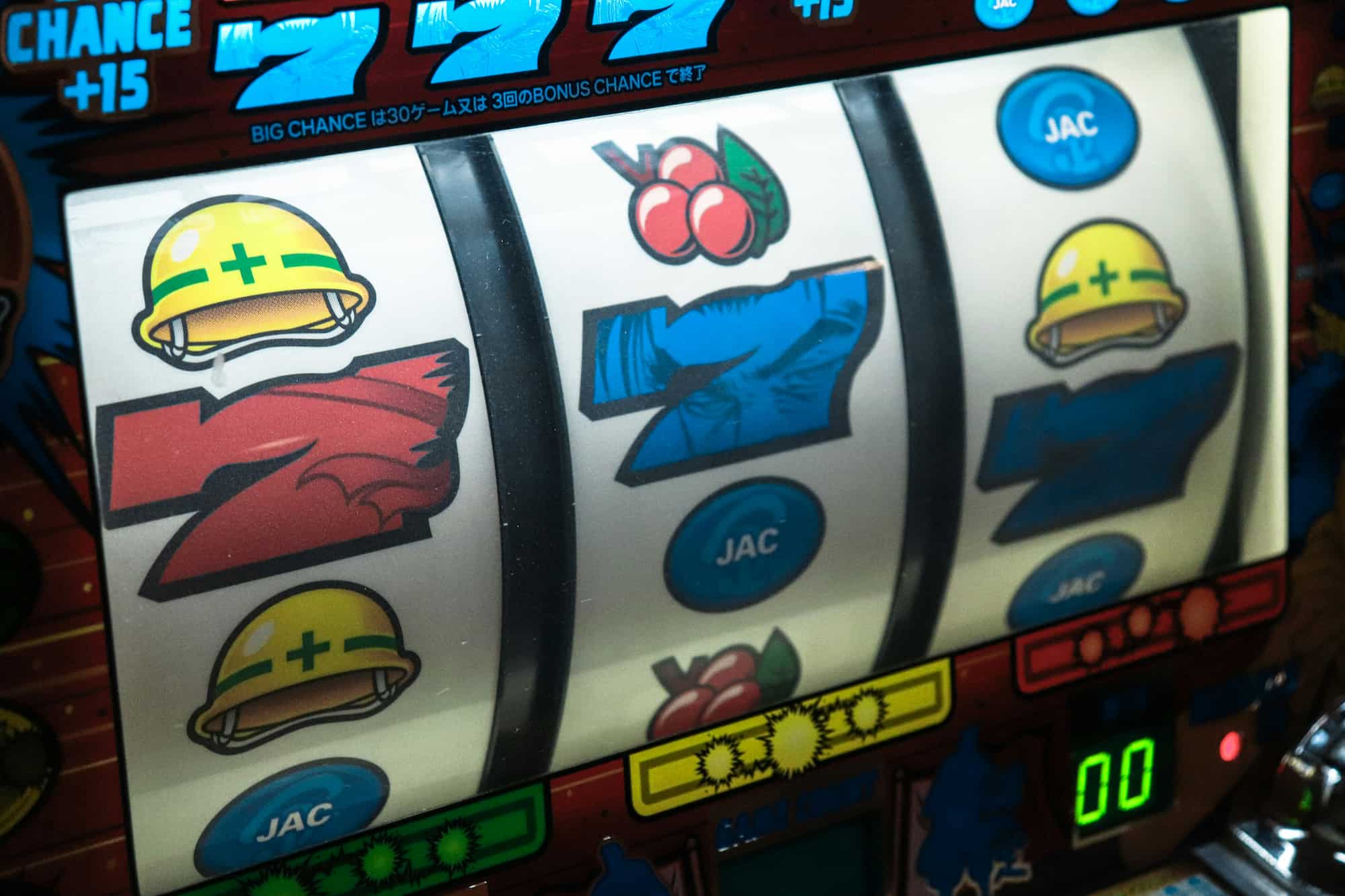
In slots, bonus or jackpot side bets usually have extremely low hit rates, even when advertised multipliers seem generous. Over time, this reduces overall return-to-player (RTP) percentages.
Expected Value Comparison
| Bet Type | Typical RTP | House Edge | Risk Level |
|---|---|---|---|
| Main game | 95–99% | 1–5% | Moderate |
| Side bet | 80–90% | 10–20%+ | High |
| Progressive jackpot | 70–85% | 15–30%+ | Very High |
This table shows that side bets are generally riskier and less profitable over the long term.
Psychological Appeal and Player Behavior

Side bets exploit excitement and the desire for big wins. Players may perceive higher value because occasional wins feel memorable, even though long-term losses dominate.
This can lead to overbetting or chasing unlikely outcomes, which distorts bankroll management. Understanding psychological impact is as important as understanding math.
Common Behavioral Traps
- Ignoring the house edge due to flashy multipliers
- Over-allocating bankroll to side bets
- Misinterpreting short-term wins as skill or luck
- Increasing bet size after small wins
Awareness of these tendencies helps maintain discipline.
When Side Bets Might Make Sense
Side bets can be strategically reasonable if used sparingly and with a clear understanding of cost. For example:
- When entertainment value outweighs long-term expected value
- During low-stakes play where occasional wins do not threaten the bankroll
- In promotional contexts where bonuses partially offset the house edge
They should never be relied upon as a core strategy for profit.
Tips for Responsible Use
- Allocate only a small fraction of your bankroll to side bets
- Treat them as optional fun rather than essential to winning
- Understand the odds and house edge before betting
- Avoid cumulative bets that significantly increase total risk
This approach preserves enjoyment without compromising long-term strategy.
How Casinos Structure Side Bets to Their Advantage
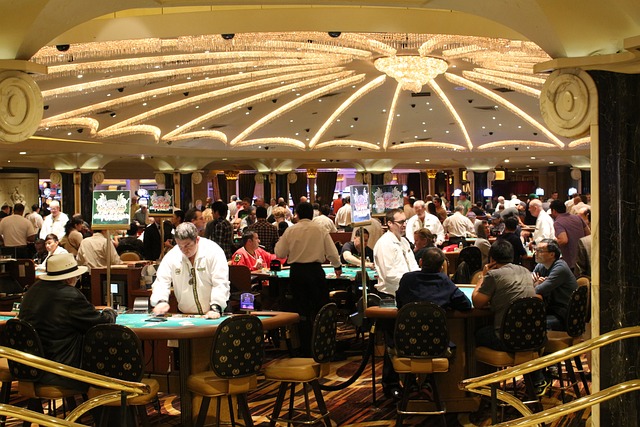
Casinos carefully calculate payout tables to maximize house profit while maintaining occasional wins to entice players. Side bets are designed to be exciting but unprofitable on average.
Understanding this design principle helps players resist the illusion of favorable odds. The math is clear: over hundreds or thousands of plays, the house edge dominates.
Integrating Side Bets Into Overall Play
Players should view side bets as tools for engagement, not edge. The primary game should remain the focus for bankroll growth and risk management.
By keeping side bets optional and low-stakes, players enjoy the thrill without jeopardizing long-term outcomes. Knowledge of odds allows you to make conscious, informed decisions.

Related Posts

Behind the Scenes: How Online Casinos Develop New Games